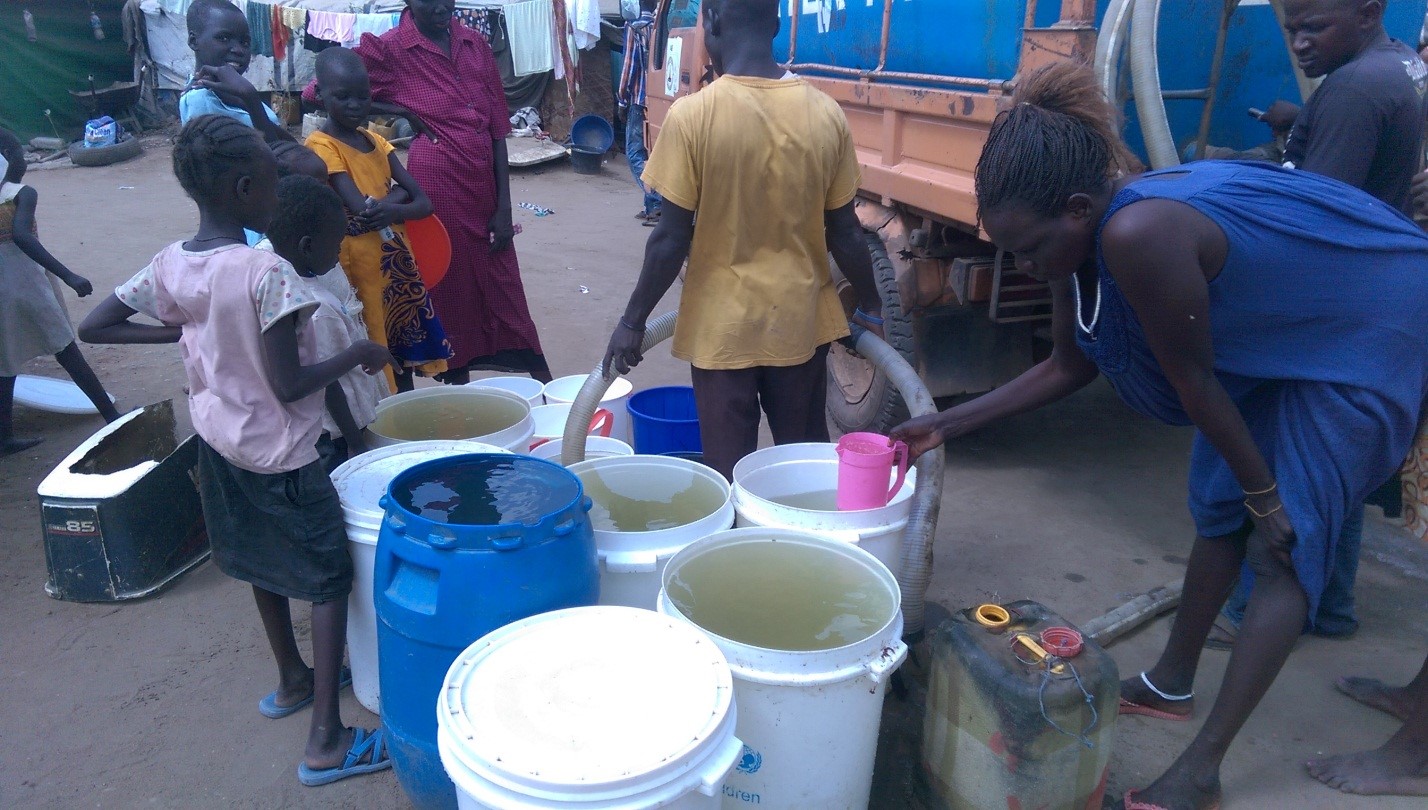
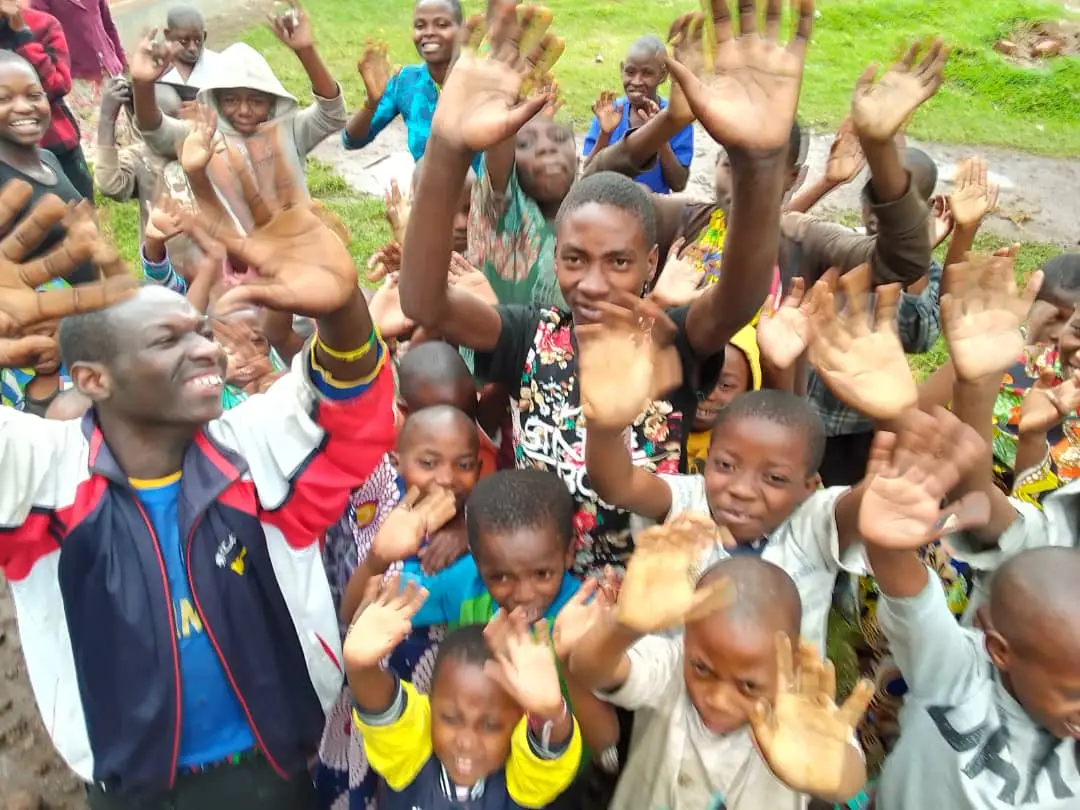
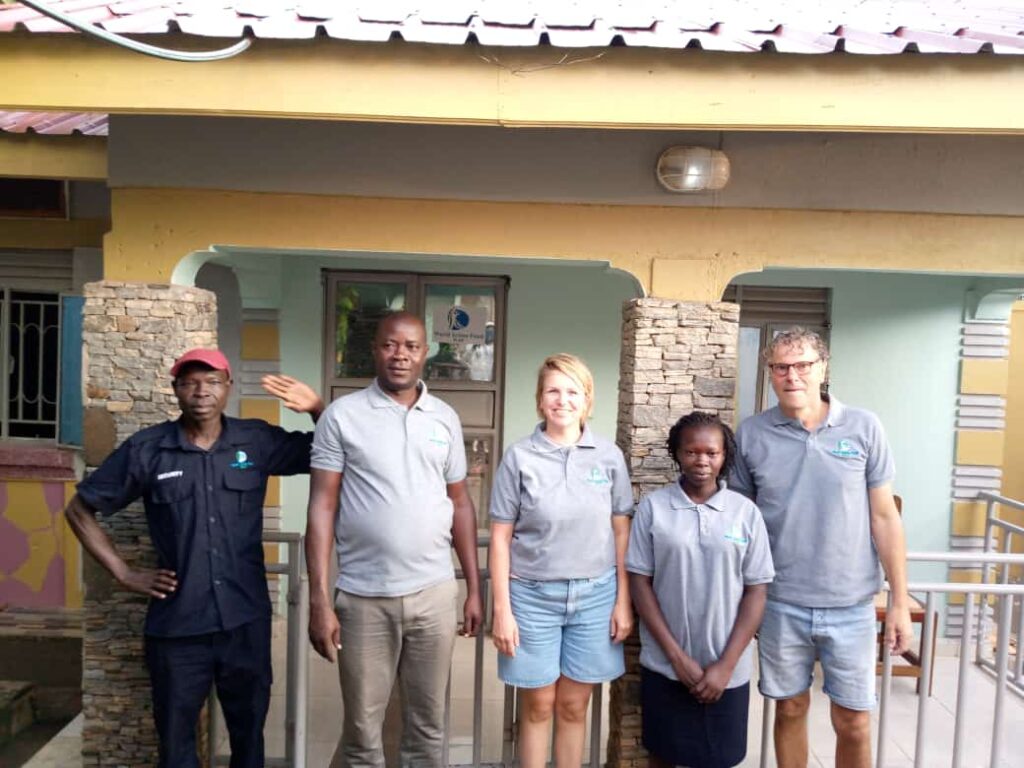
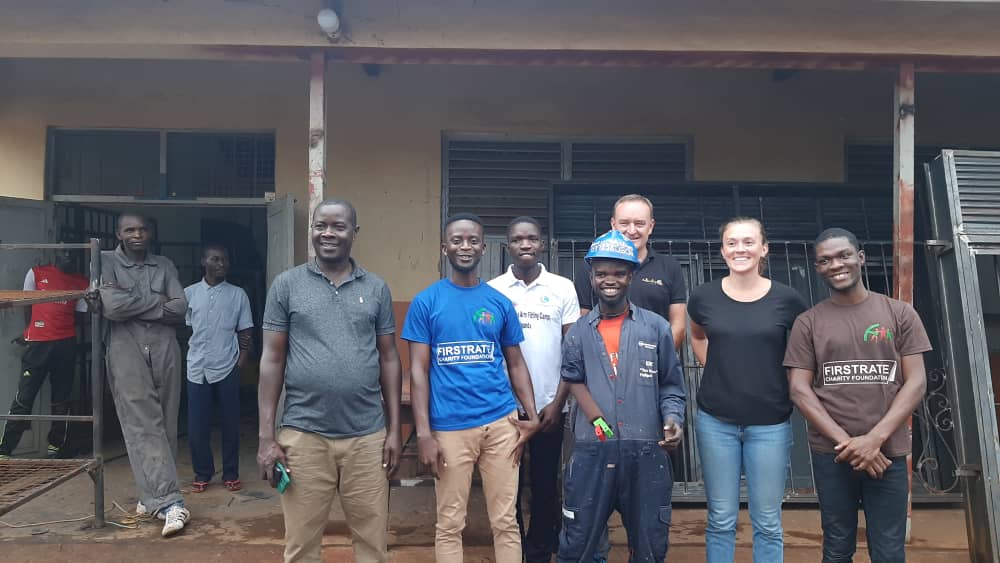
World Action Fund (WAF) currently operates in the West Nile sub region and occassionally in Eastern, Western, Central and Southern regions of Uganda in Humanitarian and Development projects
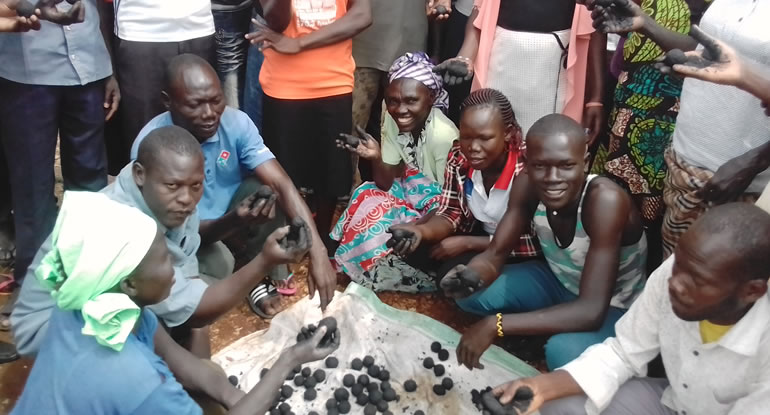
Focusing on climate change and environmental sustainability by engaging youth, schools, smallholder farmers, and communities in conservation and protection efforts
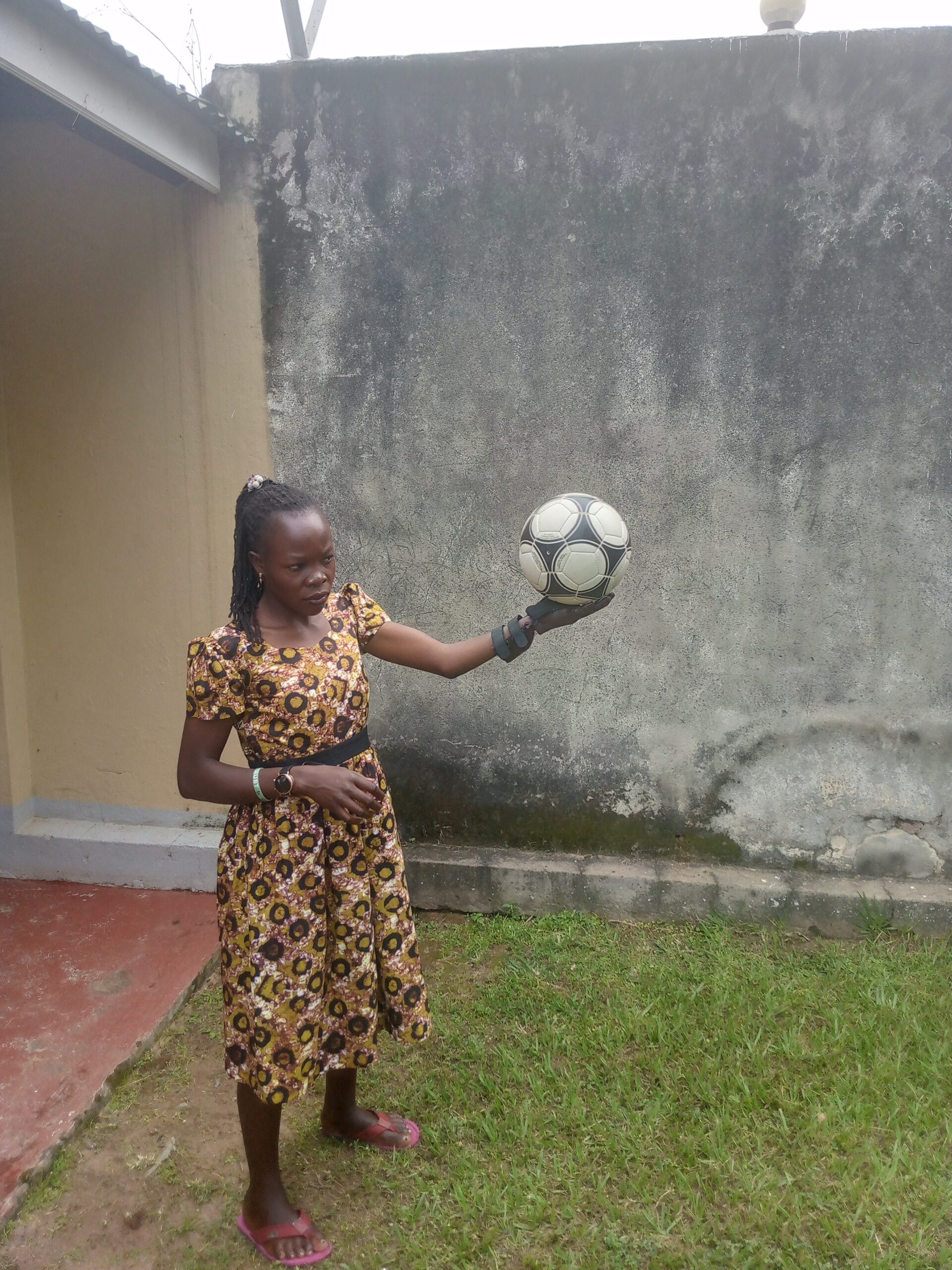
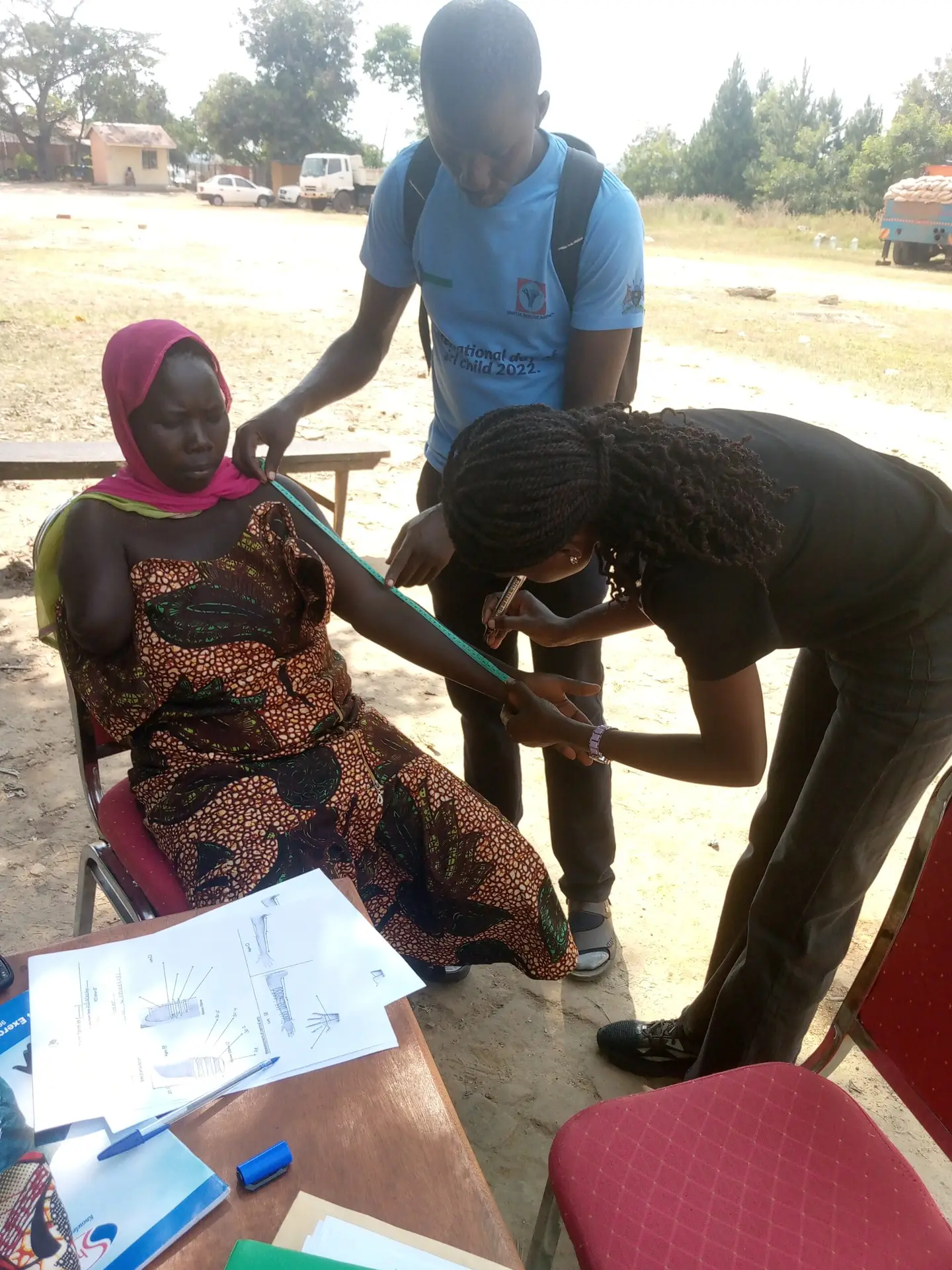
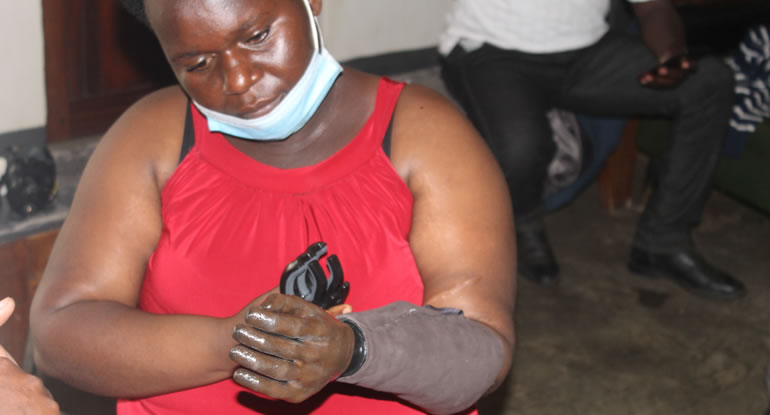
Providing holistic Community-Based Rehabilitation (CBR) services, including assistive devices, therapy, counseling, and nutrition support to improve well-being and independence
Vision
A world of courage, lenience and integrity, where poverty has been defeated and people live in pride and safe.
To engage in long-term development efforts aimed at alleviating suffering by addressing the root causes of poverty, improved health, fostering sustainable solutions that protect, empower people
World Action Fund is an indigenous, nonprofit organization founded in 2014, operating in Uganda.
Our approach is holistic supporting both life-saving and life-changing solutions for the world’s poorest and most vulnerable people. From rapid emergency response to innovative development programming, we operate in remote, rural, and hard-to-reach areas to ensure that no one is left behind. What sets us apart is our commitment to collaboration. We actively build partnerships with governments, non-profit organizations, and local communities to maximize our reach and impact. With social venture accelerator committed to solving systemic challenges in climate resilience, sustainable livelihoods, inclusive urbanization, health, and education. WAF blends community-driven development with evidence-based innovation, making it a unique partner for impact investors seeking measurable returns in both social outcomes and long-term resilience.
HIVE – Harnessing Income through Value-Added Enterprises in Beekeeping for Environmental Sustainability and Trade
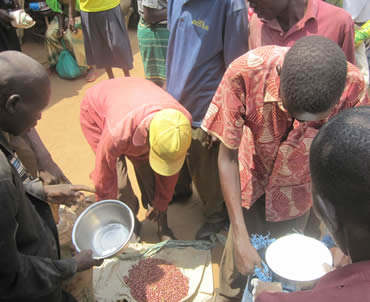
HIVE project is a community-led initiative by World Action Fund (WAF) in Omugo and Terego District, Uganda. The project promotes modern beekeeping,livelihoods sustainable cocoa production, regenerative agriculture, and eco-restoration to strengthen rural livelihoods. Farmers are trained in honey value addition, agroforestry, and planting bee-friendly trees such as Calliandra and Grevillea to enhance biodiversity and pollinator diversity. HIVE also supports community-led protection of wetlands and forest ecosystems. By integrating enterprise development with environmental conservation, the project builds climate resilience, increases incomes, and advances sustainable, inclusive local trade.
Empowering Teenage and single mothers
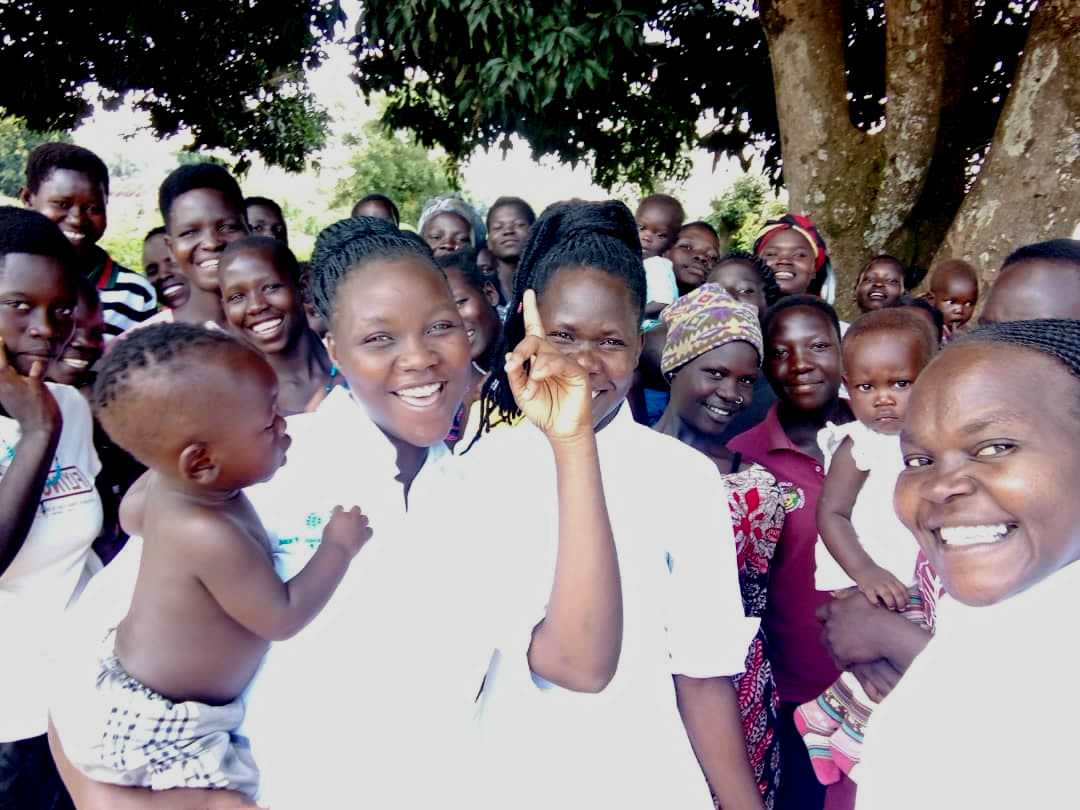
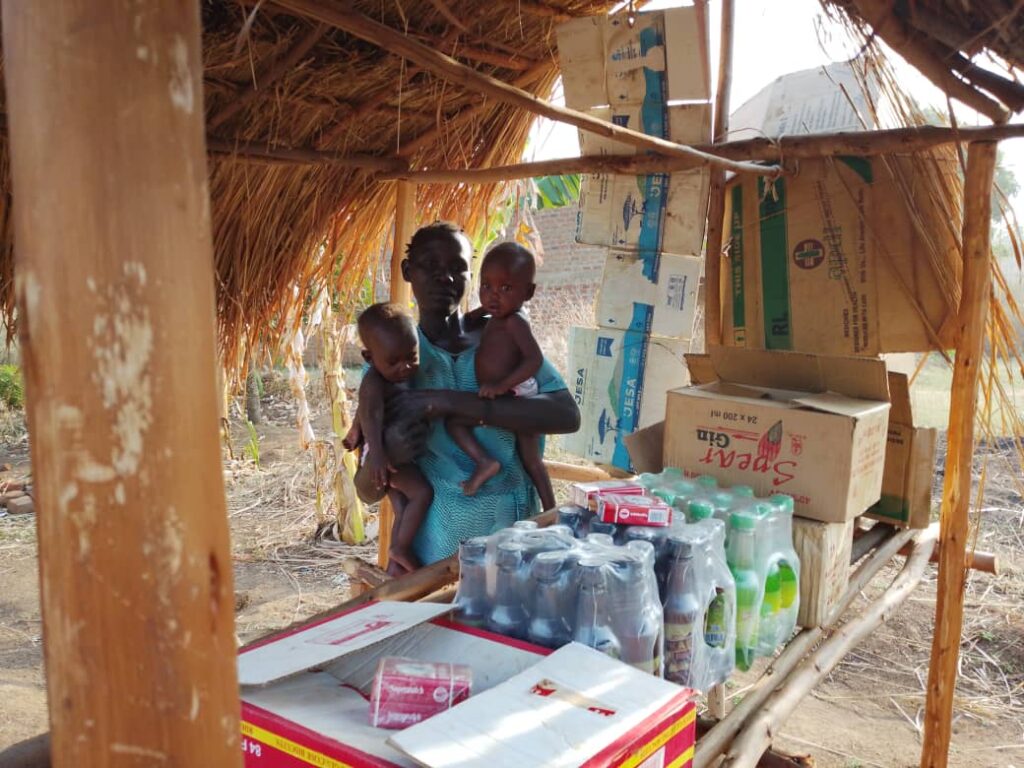
In Terego district, Uganda, single and teenage mothers face daily struggles of poverty, early motherhood, and limited opportunities. With no stable income or collateral, they can’t access loans to start businesses, leaving them trapped in a cycle that often repeats through their daughters vulnerable to teenage pregnancy and exploitation.
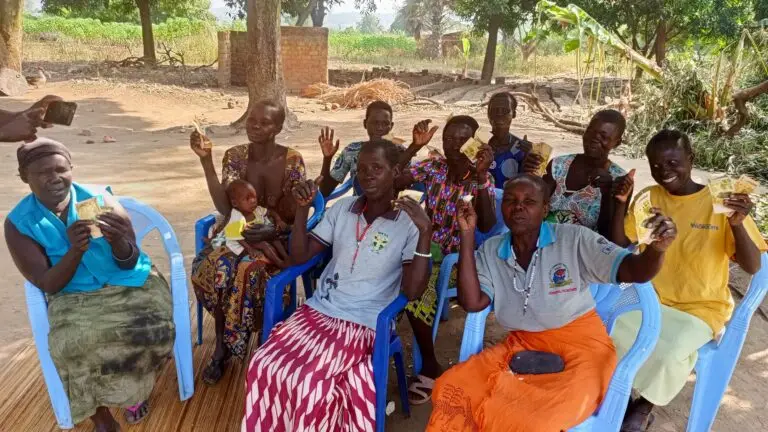
But hope is not lost. The group has started a savings box, and with your support, we can empower more women, protect girls, and build a future where no mother must choose between feeding her children and sending them to school.
Jane: I bought stocks, could afford three meals a day. My twins, once frail from malnutrition, now had the energy to play and laugh.
Jesca: This money saved my life, no one has ever done this for me. Now, I believe I can give my daughter a future
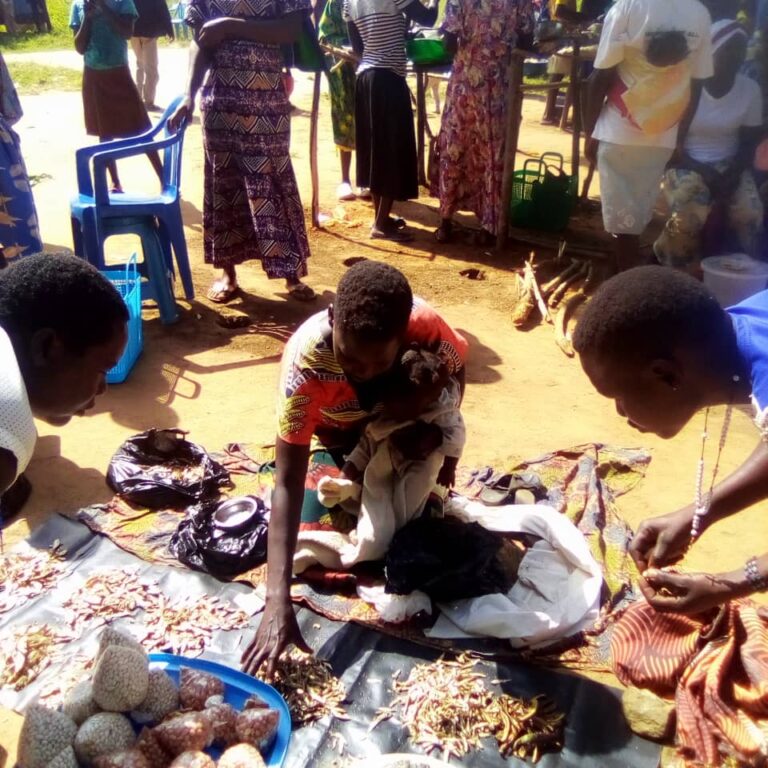
Single mothers and entrepreneurs received non-refundable business startup capital after training
Supporting Children
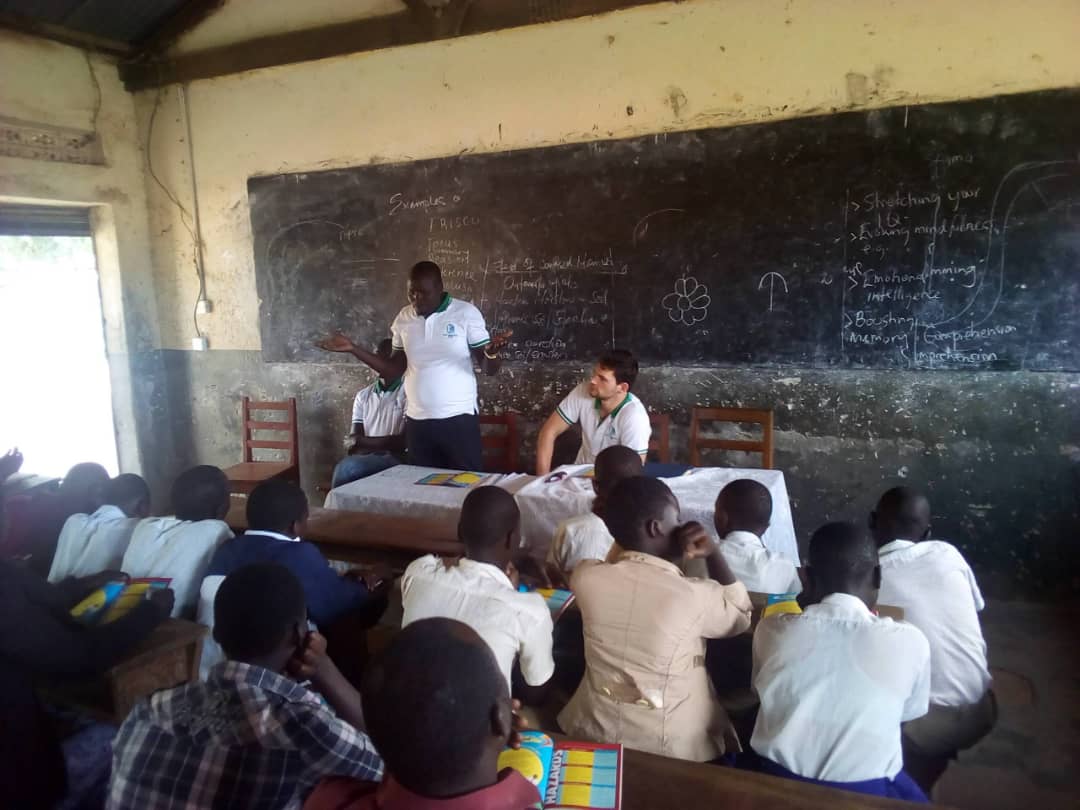
Terego District in West Nile sub-region faces persistent socio-economic challenges including poverty, school dropout, early marriages, teenage pregnancies, and limited access to adolescent-friendly health services. Many adolescents especially girls drop out of school due to pregnancy, lack of menstrual hygiene support, gender-based violence, and financial constraints.
Teenage mothers face stigma, limited livelihood opportunities, and poor access to childcare and psychosocial support. Children in vulnerable households often experience neglect, malnutrition, and interrupted education.
Without targeted interventions, these challenges contribute to intergenerational poverty, low literacy levels, and increased vulnerability to exploitation.
This project proposes an integrated, child-centered approach to education retention, adolescent empowerment, and economic strengthening of teenage mothers.
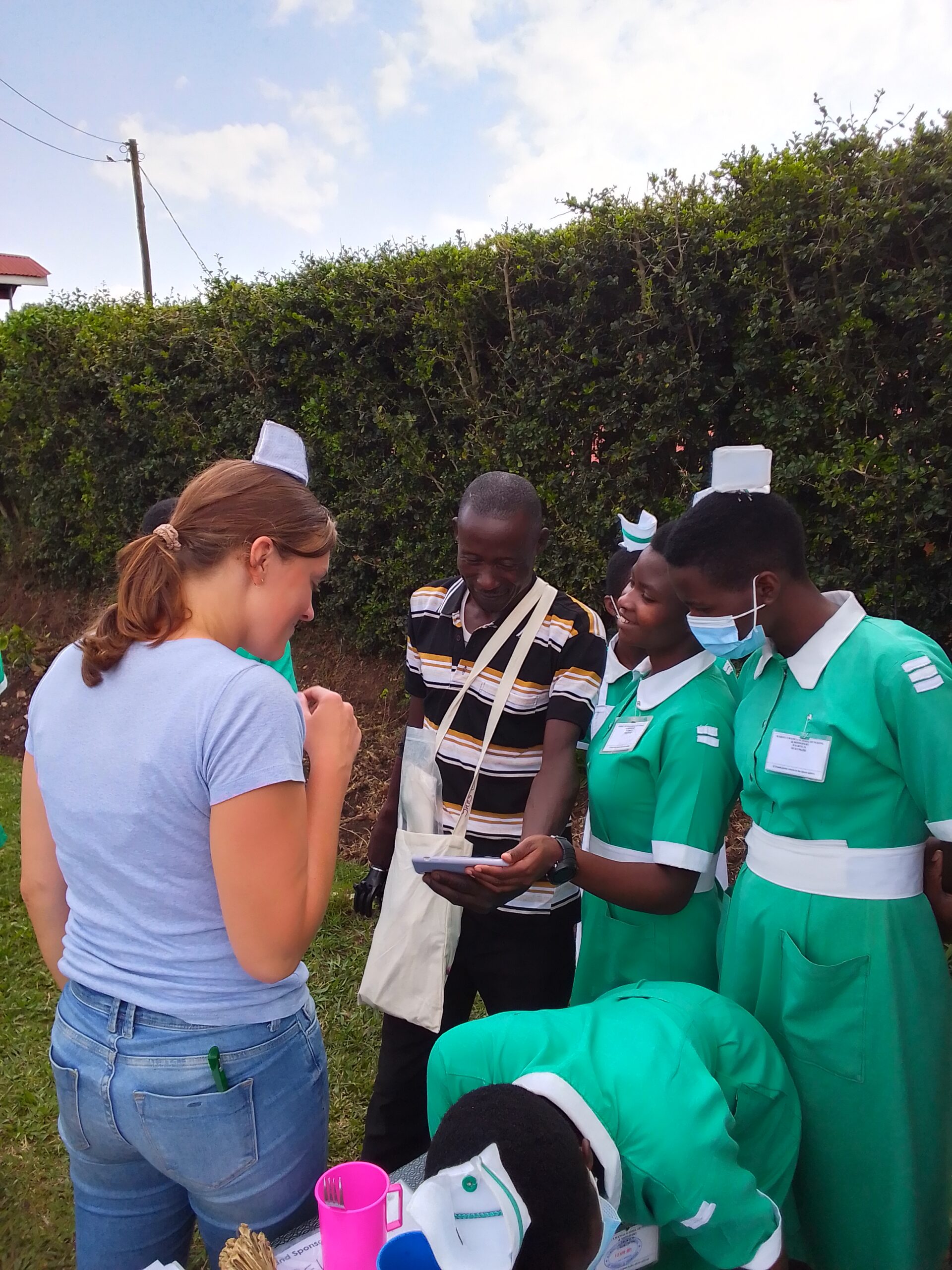
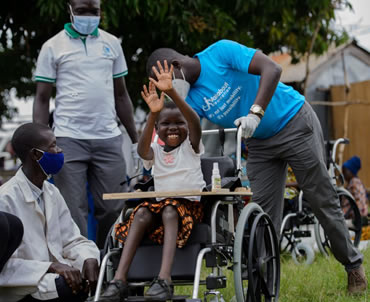
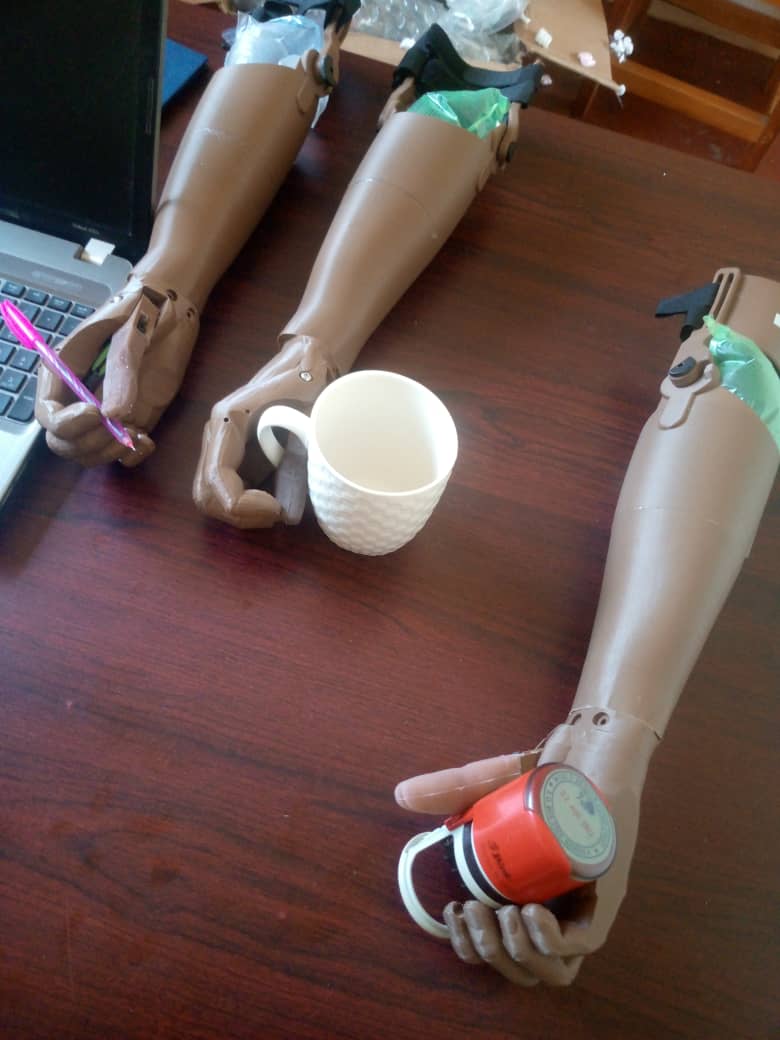
World Action Fund has transformed the lives of over 2,300 persons with disabilities across Uganda through comprehensive, community-centered support. Our interventions include home-based rehabilitation services (physiotherapy) and the provision of essential assistive devices such as prosthetics, wheelchairs, walking canes, and hearing devices, restoring dignity, mobility, and hope.